
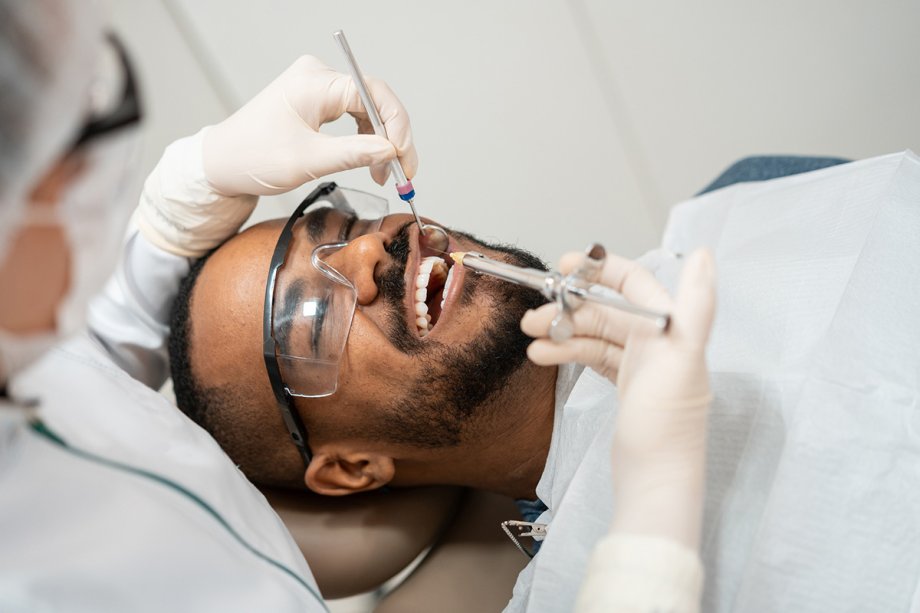
At SmileMakers Comprehensive Dentistry, we understand that undergoing a dental procedure can bring up many questions. If you've recently had a root canal or are preparing for one, knowing what to expect during recovery is an important part of the process. A root canal is a highly effective treatment designed to save a natural tooth that has been severely damaged by decay or infection. By removing the infected pulp from inside the tooth, we can alleviate pain and restore its function. After the procedure, proper care is essential to ensure a smooth and successful recovery.
Navigating the post-procedure period is key to protecting your treated tooth and maintaining your oral health. Your body will need time to heal, and the area around the treated tooth may be sensitive for a few days. Following your dentist's instructions carefully will help manage discomfort, prevent complications, and promote faster healing. We've compiled these essential post-procedure tips to guide you through the recovery phase and help you get back to feeling your best.
Manage Discomfort and Swelling
It's common to experience some sensitivity or mild discomfort in the days following a root canal. The ligaments and tissues surrounding the tooth have been worked on and may be inflamed. This is a normal part of the healing process. Any pain is typically manageable with over-the-counter pain relievers like ibuprofen or acetaminophen. We will provide specific recommendations based on your health history. Applying a cold compress to the outside of your cheek for 15-20 minutes at a time can also help reduce any swelling and numb the area.
Most discomfort should subside within a few days. However, if you experience severe, persistent pain that doesn't improve with medication, or if you notice significant swelling inside or outside your mouth, it's important to contact our office. These could be signs of a complication that requires professional attention. Our goal is to ensure your recovery is as comfortable as possible, and we are here to support you every step of the way.
Be Mindful of What You Eat
After your procedure, the temporary filling or crown placed on your tooth needs time to set properly. Moreover, the tooth itself and the surrounding area will be tender. For these reasons, it's best to be careful with your diet for a few days. We recommend sticking to soft foods that require minimal chewing. Good options include yogurt, smoothies, soups, mashed potatoes, and scrambled eggs. Avoid hard, crunchy, or sticky foods like nuts, hard candy, ice, and caramel, as these can damage the temporary restoration or irritate the healing tooth.
It's also wise to avoid chewing directly on the treated tooth until the permanent restoration, such as a crown, is placed. Try to chew on the opposite side of your mouth. As the sensitivity subsides, you can gradually reintroduce a wider variety of foods into your diet. This simple precaution plays a significant role in protecting the tooth while it heals and before it is fully restored.
Maintain Excellent Oral Hygiene
Keeping your mouth clean after a root canal in Montgomery, AL is crucial for preventing infection and promoting healing. You can and should continue to brush and floss as you normally would, but be gentle around the treated area. Careful cleaning will remove plaque and food particles without disturbing the temporary filling or irritating the sensitive gums. You might also consider rinsing your mouth with warm salt water two to three times a day, especially after meals. This can help soothe irritated tissues and keep the area clean.
Once your final restoration is placed, it's important to care for it just as you would your natural teeth. A restored tooth can still develop decay around the edges of the crown or filling, so consistent brushing, flossing, and regular dental check-ups are essential. Proper at-home care combined with professional cleanings will help ensure your restored tooth lasts a lifetime.
Your Path to a Healthy Smile
Following a root canal, taking these simple yet effective steps will make a significant difference in your recovery. Managing discomfort, being selective with your diet, and practicing gentle oral hygiene are key to a smooth healing process. Remember that the treated tooth will need a permanent restoration, like a crown, to protect it from future damage and restore its full function. Attending all your follow-up appointments is a crucial final step. We are committed to helping you achieve and maintain a healthy, beautiful smile for years to come.
Frequently Asked Questions About Endodontics
How long does recovery take after a root canal?
Recovery after a root canal is typically brief. Most patients can return to their normal activities the following day. You may experience some mild tenderness or sensitivity in the treated area for a few days, which can be managed with over-the-counter pain medication. The tooth is not fully restored until a permanent crown or filling is placed, which usually happens in a subsequent appointment.
Is a root canal procedure painful?
Modern root canal procedures are not painful. With advanced techniques and effective local anesthesia, the process is comparable to getting a standard filling. The goal of the treatment is actually to relieve the pain caused by the infection or inflammation of the tooth's pulp. Any post-procedure discomfort is generally mild and temporary.
At SmileMakers Comprehensive Dentistry, we are dedicated to providing personalized dental care in a modern, relaxing office. Our professional team works together to ensure every patient has a comfortable and positive experience. If you have questions about root canal therapy or wish to discuss your dental health needs, please feel free to schedule an appointment with us today.