
Dental Bridges in Montgomery
Missing one or more teeth is common for many people.
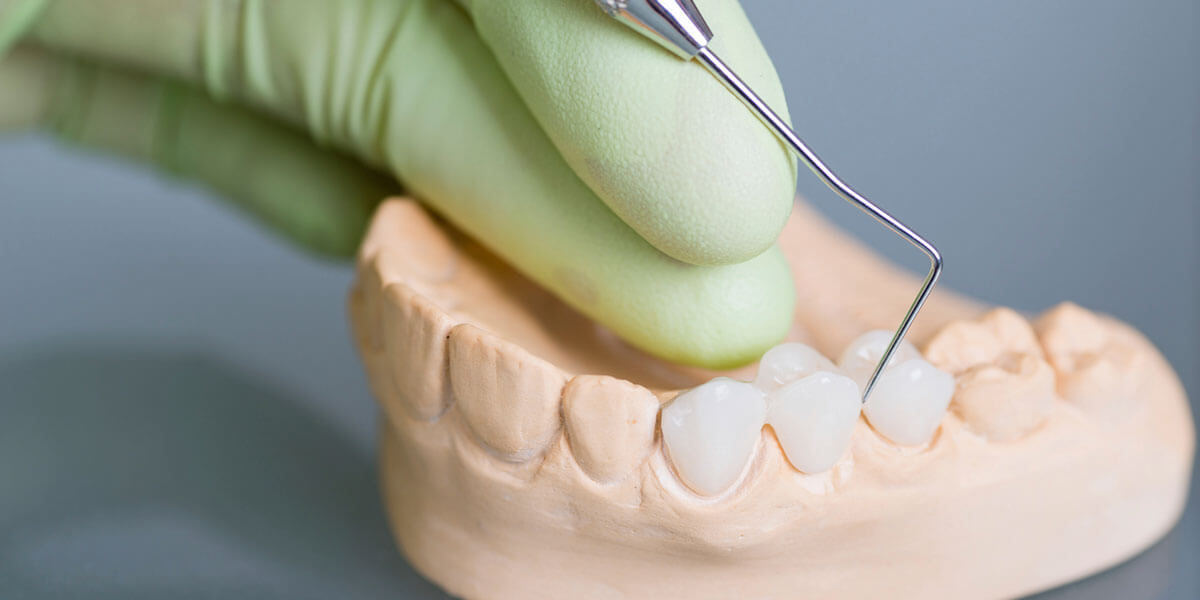
The ADA reports that on average adult patients may have three missing or decayed teeth. Fortunately, there are a number of solutions to replace missing teeth, including dental bridges. Dental bridges fill the gap left by one or more adjacent missing teeth and help restore your ability to properly chew, speak, and maintain your appearance. A bridge has two primary components. The abutments (or supports) for the bridge are created by placing a dental crown on either a natural tooth or an implant. The synthetic tooth that replaces the missing tooth is called a pontic (also called pontics when replacing multiple teeth). In the case of a single missing tooth, the two anchoring teeth on either side will be prepared for two crowns and the missing tooth will be replaced with a pontic that is connected to the crowns on either side of the gap. In the case of several adjacent missing teeth, one or more implants may provide the abutment.
The dental bridge procedure typically requires two or more visits. During the first visit, your dentist will prepare the abutment teeth by removing a small portion of enamel to allow room for the dental crowns. A highly accurate impression of the prepared teeth is then sent to a dental laboratory, where your new bridge will be crafted, often from porcelain fused to metal for a natural appearance and function. This process may take several weeks, during which a temporary bridge may be temporarily cemented to protect the gums and tissue while giving them time to heal. At your second visit or next appointment, the permanent bridge is carefully checked for proper fit and bite, then permanently cemented into position.
There are four main types of dental bridges for missing teeth:
Traditional Dental Bridge
This is the most common type of traditional bridge. The remaining teeth are crowned with one or more artificial teeth between and held in place by the crowned abutments. The crowns are permanently cemented onto the adjacent teeth to the missing teeth to create a support structure or “fixed bridge” for the missing teeth. This non-removable restoration provides a natural-looking shape and appearance that blends seamlessly with your other teeth. Bridges restore both the function and confidence that come with a complete smile.
Cantilever Bridge
This type of bridge is similar to a traditional bridge, except that the structure is supported on only one side instead of both sides. This can cause the restoration to act as a “lever” and may create additional stress on the supporting tooth, causing it to be more likely to loosen or fracture.
Implant Supported Bridge
Instead of using remaining teeth to support a bridge, a dental implant may be substituted to provide support for one or both sides of implant supported bridges. This is a popular option that can provide a very secure non-removable restoration. This solution is particularly helpful when there are several adjacent missing teeth.
Maryland Bridge
This type of bridge is supported by a metal structure which is cemented onto the back of existing teeth. While not as strong as a traditional bridge, it can preserve the tooth structure of the adjacent teeth by avoiding the use of crowns for the abutments. It may not stay in place when heavy forces are placed on the restoration (such as biting and chewing) and does add pressure to the supporting teeth.
With proper brushing and dental care, your dental bridge treatment can restore your smile and support your oral health for years to come. Contact our office at 334-277-5498 to schedule a consultation to learn more about your restorative options with expert care and achieve the smile you have always wanted. Dental bridges in Montgomery can help restore your smile — call today for your appointment!