
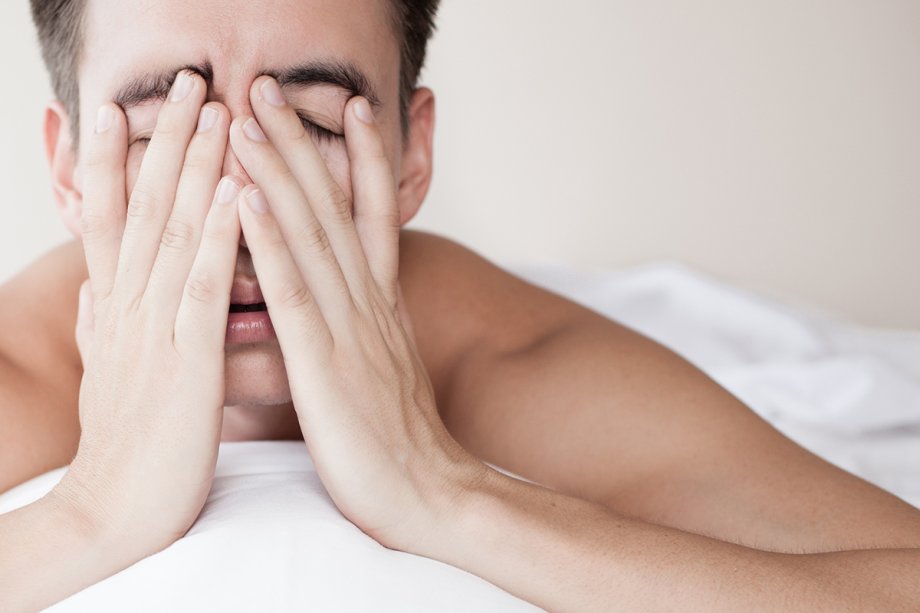
Waking up feeling completely exhausted after spending a full eight hours in bed can be incredibly frustrating. Many people dismiss this deep, persistent fatigue as a normal byproduct of a busy schedule or growing older. However, this chronic exhaustion often points to a much more serious underlying condition known as obstructive sleep apnea. When you have this condition, the muscles in the back of your throat relax too much during sleep, causing your airway to narrow or close entirely. This prevents your brain and body from getting enough oxygen, forcing you to wake up slightly to reopen your airway—a cycle that can repeat dozens or even hundreds of times throughout the night.
Because these micro-awakenings happen so quickly, you rarely remember them the next morning. You only experience the troubling side effects of broken, low-quality rest. Our goal is to help you recognize the physical and mental red flags associated with this condition so you can take immediate action. We want to guide you through the process of identifying the symptoms, understanding the long-term health implications, and finding effective treatments for sleep apnea in Montgomery, AL.
Recognizing the Most Common Nighttime and Morning Symptoms
The most recognizable signs of sleep apnea happen while you are asleep, meaning you might need a partner or family member to help you identify them. Loud, chronic snoring is often the first and most obvious indicator. While not everyone who snores has sleep apnea, incredibly loud snoring punctuated by moments of total silence and followed by gasping or choking sounds is a primary warning sign. These choking sounds happen when your brain realizes you are deprived of oxygen and forces your body to jolt awake just enough to jumpstart your breathing. We often hear from patients who feel deeply embarrassed by their snoring, but it is actually a crucial medical symptom that requires professional attention rather than earplugs.
In addition to the disruptive sounds you make at night, your body will leave you physical clues the moment you wake up. You might frequently wake up with an incredibly dry mouth or a sore throat because you have been breathing through your mouth all night to compensate for a blocked airway. Morning headaches are another frequent complaint. When you stop breathing repeatedly, the oxygen levels in your blood drop, and the carbon dioxide levels rise, which widens the blood vessels in your brain and causes throbbing vascular headaches. If you consistently experience these morning symptoms, your body is clearly signaling that your airway is compromised during sleep.
Understanding the Hidden Daytime Indicators and Long-Term Risks
Sleep apnea does not just affect your nights; it casts a long, heavy shadow over your daytime hours as well. The most pervasive daytime symptom is excessive daytime sleepiness, known medically as hypersomnia. You might find yourself struggling to keep your eyes open during meetings, while watching television, or even during highly dangerous situations like driving a car. This profound fatigue leads to severe brain fog, making it difficult to concentrate on complex tasks, remember important details, or make quick decisions. We see many patients who wrongly blame their declining work performance or memory issues on stress, only to discover that oxygen deprivation and fragmented sleep are the true culprits.
Beyond the immediate daily fatigue, leaving this condition untreated exposes you to severe, long-term systemic health risks. The repeated drops in blood oxygen levels put enormous strain on your cardiovascular system. Over time, this constant stress significantly increases your risk of developing high blood pressure, irregular heartbeats, and coronary artery disease. Furthermore, the persistent lack of deep, restorative sleep makes it harder for your body to regulate insulin, elevating your risk of developing type 2 diabetes. Recognizing these daytime mood shifts, cognitive struggles, and creeping medical issues is essential for protecting your overall longevity and well-being.
Taking the Right Steps Toward Diagnosis and Relief
If you recognize these signs in yourself or a loved one, taking action immediately is critical for your health. The first step always involves getting a definitive medical diagnosis. We recommend speaking with a sleep specialist or your primary care physician to arrange a sleep study. Traditionally, this meant spending the night in a clinical sleep lab connected to various monitors, but today, many patients qualify for convenient at-home sleep tests. These home tests use simple, wearable sensors to track your breathing patterns, heart rate, and oxygen levels from the comfort of your own bed. Once a sleep physician reviews your data and confirms an obstructive sleep apnea diagnosis, you can explore your treatment options.
While Continuous Positive Airway Pressure (CPAP) machines remain a common treatment, many people find the masks uncomfortable, noisy, or claustrophobic. If you cannot tolerate a CPAP machine or if you have mild to moderate sleep apnea, we offer highly effective alternatives through dental sleep medicine. We can design a custom-fitted oral appliance that looks similar to a sports mouthguard or an orthodontic retainer. You wear this comfortable device only while you sleep. It works by gently shifting your lower jaw forward, which prevents the soft tissues in the back of your throat from collapsing and keeps your airway open all night.
Reclaim Your Rest and Vitality
Living with untreated sleep-disordered breathing robs you of your energy, your health, and your quality of life. You do not have to settle for waking up exhausted, battling midday brain fog, or worrying about the long-term strain on your heart. Modern dental treatments provide a quiet, comfortable, and highly portable way to keep your airway open so you can finally achieve the deep, uninterrupted sleep your body desperately needs.
Taking the initiative to address your symptoms is the most powerful thing you can do for your overall wellness. We are committed to helping our patients navigate the screening process, collaborate with sleep physicians, and find custom oral appliance therapies that easily integrate into their nightly routines. Your journey to better sleep and better health starts with a simple conversation about the symptoms you are experiencing.
Frequently Asked Questions About Sleep Apnea Treatment
How do oral appliances help treat sleep apnea?
Custom oral appliances treat obstructive sleep apnea by physically supporting your jaw in a forward position while you sleep. By advancing the lower jaw, the device keeps the tongue and the soft tissues of the throat from falling back and blocking the airway. We take precise impressions of your teeth to ensure the appliance fits perfectly, making it much more comfortable and effective than over-the-counter snoring guards.
Is sleep apnea treatment covered by dental or medical insurance?
Even though we provide the custom oral appliance in our dental office, sleep apnea is universally recognized as a medical condition. Therefore, oral appliance therapy is typically billed to your medical insurance rather than your dental insurance. We regularly help our patients navigate their medical insurance benefits to maximize their coverage and minimize their out-of-pocket expenses for sleep apnea treatments.
We are Smile Makers Comprehensive Dentistry, and we are deeply passionate about providing exceptional, patient-centered dental care to families throughout the River Region. Whether you need routine preventative care, advanced restorative treatments, or specialized solutions for sleep-disordered breathing, we tailor our approach to meet your unique health goals. If you are ready to improve your smile and your quality of life, please schedule an appointment with our dedicated team today.