
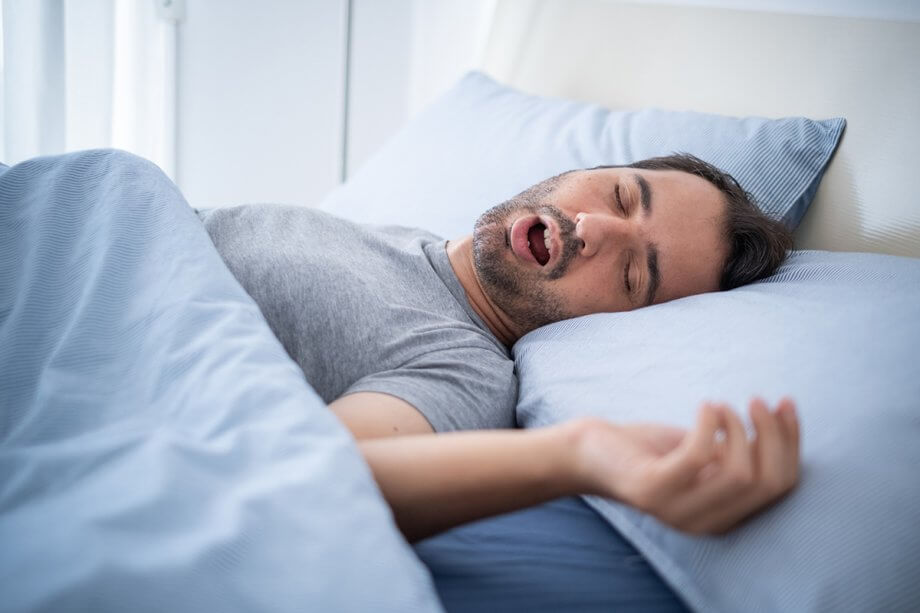
At SmileMakers Comprehensive Dentistry, we hear about snoring more often than you might think. Sometimes a patient mentions it with a laugh. Other times, a spouse quietly admits they've been sleeping in the guest room for months. Snoring is common, and it's easy to brush off as a harmless habit. For some people, though, it's a sign of something more serious called obstructive sleep apnea. This means your airway partly or fully closes during sleep, and your breathing stops and starts again and again through the night.
Knowing the difference matters. Ordinary snoring may only disturb the people around you. Sleep apnea can affect your energy, your mood, your focus, and your long-term health. If you run a business, lead a team, or juggle a packed family schedule, poor sleep can quietly drain the energy you rely on every day. We want to help you understand what's happening while you sleep so you can rest easier and feel like yourself again.
What Ordinary Snoring Really Is
Snoring is simply the sound of air moving past relaxed tissue in your throat. When you fall asleep, the muscles in your mouth, tongue, and throat relax. If the airway narrows, the air flowing through it makes those soft tissues vibrate. That vibration is the rumble you or your partner hear at night.
Many everyday factors can make snoring worse. These include nasal congestion from allergies or a cold, alcohol close to bedtime, sleeping on your back, extra weight around the neck, and the natural shape of your jaw and airway. With ordinary snoring, your breathing stays steady even though it's noisy. You still get the oxygen you need, and you usually wake up feeling reasonably rested. Think of it like a squeaky door hinge: it's annoying, but the door still opens and closes just fine. Still, even simple snoring can strain your relationships and leave a bed partner exhausted, so it's worth addressing.
The Warning Signs That Point to Sleep Apnea
Sleep apnea looks and sounds different from regular snoring. The biggest clue is a pattern of pauses. Your partner may notice that your snoring suddenly stops, followed by silence that lasts several seconds. Then you might gasp, snort, or choke as your body jolts you awake just enough to start breathing again. This cycle can repeat dozens of times an hour, often without you remembering it.
Here are the nighttime signs we encourage you to watch for:
- Loud, frequent snoring: Snoring that is very loud and happens most nights, not just once in a while.
- Pauses in breathing: Moments of silence where breathing seems to stop completely.
- Gasping or choking: Sudden sounds as you catch your breath.
- Restless sleep: Frequent tossing, turning, or waking up throughout the night.
- Nighttime trips to the bathroom: Waking often to urinate can be linked to disrupted sleep.
If you sleep alone, these signs can be hard to spot. A simple, practical step is to record yourself with a free sleep or audio app on your phone. A few nights of recordings can give you and your care team helpful clues.
How Your Days Reveal What Happens at Night
Sometimes the clearest signs of sleep apnea show up after you wake. Because your sleep keeps getting interrupted, your body never fully rests. You might spend eight hours in bed and still feel like you barely slept. Many people blame this on stress or a busy schedule, especially when work and family demands already run high.
Watch for these daytime clues:
- Morning headaches: Waking up with a dull headache that fades as the day goes on.
- Dry mouth or sore throat: Often a sign of breathing through your mouth all night.
- Constant tiredness: Struggling to stay alert in meetings, at your desk, or behind the wheel.
- Trouble focusing: Forgetting details, losing your train of thought, or making simple mistakes.
- Mood changes: Feeling irritable, short-tempered, or down without a clear reason.
These symptoms add up. When you're always tired, decisions take longer, patience wears thin, and the tasks you usually handle with ease start to feel heavy. Left untreated, sleep apnea is also linked to high blood pressure, heart problems, and other health concerns. The good news is that recognizing these signs is the first step toward feeling rested, focused, and healthier.
Taking the Next Step Toward Better Sleep
Telling snoring and sleep apnea apart at home is a great start, but only a proper evaluation can confirm what's going on. If your snoring is occasional and you wake up feeling refreshed, simple changes may help. Try sleeping on your side, limiting alcohol before bed, treating nasal congestion, and keeping a regular sleep schedule. If you notice breathing pauses, gasping, or ongoing daytime fatigue, talk with a doctor about a sleep study. This means a test, often done at home, that tracks your breathing and oxygen levels while you sleep.
Our team can be an important part of your care, too. During a visit, we look at your jaw, bite, tongue position, and airway for signs that may contribute to snoring. For many patients, a custom oral appliance offers comfortable, effective snoring treatment without bulky equipment. This small device gently positions your jaw forward to keep your airway open, so you and your partner can enjoy quieter, more restful nights. Every plan we create starts with your comfort and your goals. Talk with our team about your sleep today.
Frequently Asked Questions About Snoring Therapy
How does a dentist help with snoring?
Dentists understand the structures of your mouth and jaw, which play a big role in snoring. We can design a custom oral appliance that fits like a mouthguard. It gently moves your lower jaw forward while you sleep. This keeps your airway more open, reduces tissue vibration, and helps quiet your snoring.
Is an oral appliance comfortable to wear?
Yes, most patients find it comfortable after a short adjustment period. Because we make each appliance from impressions of your teeth, it fits your mouth precisely. Some people notice mild jaw soreness or extra saliva at first, but this usually fades within a few weeks. We'll check the fit and make adjustments to keep you comfortable.
Can snoring therapy also help with sleep apnea?
For many people with mild to moderate obstructive sleep apnea, an oral appliance can be an effective option. It's also a helpful choice for people who struggle to tolerate a CPAP machine. That device uses a mask and steady air pressure to keep the airway open. We work alongside your physician to make sure your treatment matches your diagnosis.
How long does it take to see results?
Many patients and their partners notice quieter nights soon after they start wearing their appliance. Feeling more rested during the day can take a little longer as your body catches up on quality sleep. We'll schedule follow-up visits to track your progress and fine-tune the fit for the best results.
Do I need a sleep study before starting snoring therapy?
If we suspect sleep apnea, we'll recommend that you talk with a physician about a sleep study first. This makes sure we treat the real cause of your snoring safely. If your snoring is simple and not linked to apnea, we can discuss whether an oral appliance is right for you. Either way, our team will guide you through each step.
At SmileMakers Comprehensive Dentistry, we're a family-oriented dental practice proudly serving patients in Montgomery, AL, and the surrounding communities. We offer general, cosmetic, and restorative care, along with snoring and sleep apnea therapy, in a warm, modern, and relaxing office. Our friendly team builds every treatment plan around your comfort and goals. We'd love to welcome you, so schedule an appointment with us today.